Save my name, email, and website in this browser for the next time I comment. Provide a detailed account of the exposure, including the date, time, location, duration, and intensity. Children may be more susceptible due to their smaller body mass and potentially higher respiratory rates. Edibles deliver THC directly into the body after being metabolized. While possible, a positive drug test from secondhand vaping exposure alone remains unlikely, especially with a brief or infrequent exposure.
Differentiating Passive Exposure from Active Use
At CT Addiction Medicine, we always encourage patients to be informed and practical rather than anxious. Technically, yes for marijuana, but in most everyday situations, it’s extremely unlikely. They spent a couple of hours in a small apartment. ” The answer is almost certainly not.
THC Detection: Standard vs. Sensitive Tests
Hair and saliva tests, on the other hand, offer longer or more immediate detection but are less effective for measuring low-level exposure from secondhand smoke. Drug tests detect THC, the active ingredient in marijuana, through urine, hair, or saliva samples, each offering different detection windows and sensitivity levels. This exposure can lead to lethargy, increased heart rate, and developmental concerns, even if the child does not appear “high.” Studies have shown that children living in homes where marijuana is smoked regularly can have detectable levels of THC in their urine. Research from Johns Hopkins University shows that non-smokers can feel mild psychoactive effects and social impairment (Herrmann et al., Drug and Alcohol Dependence, 2015) under these conditions. Secondhand vapor exposure carries a moderately higher passive absorption risk than secondhand smoke, particularly in indoor settings.
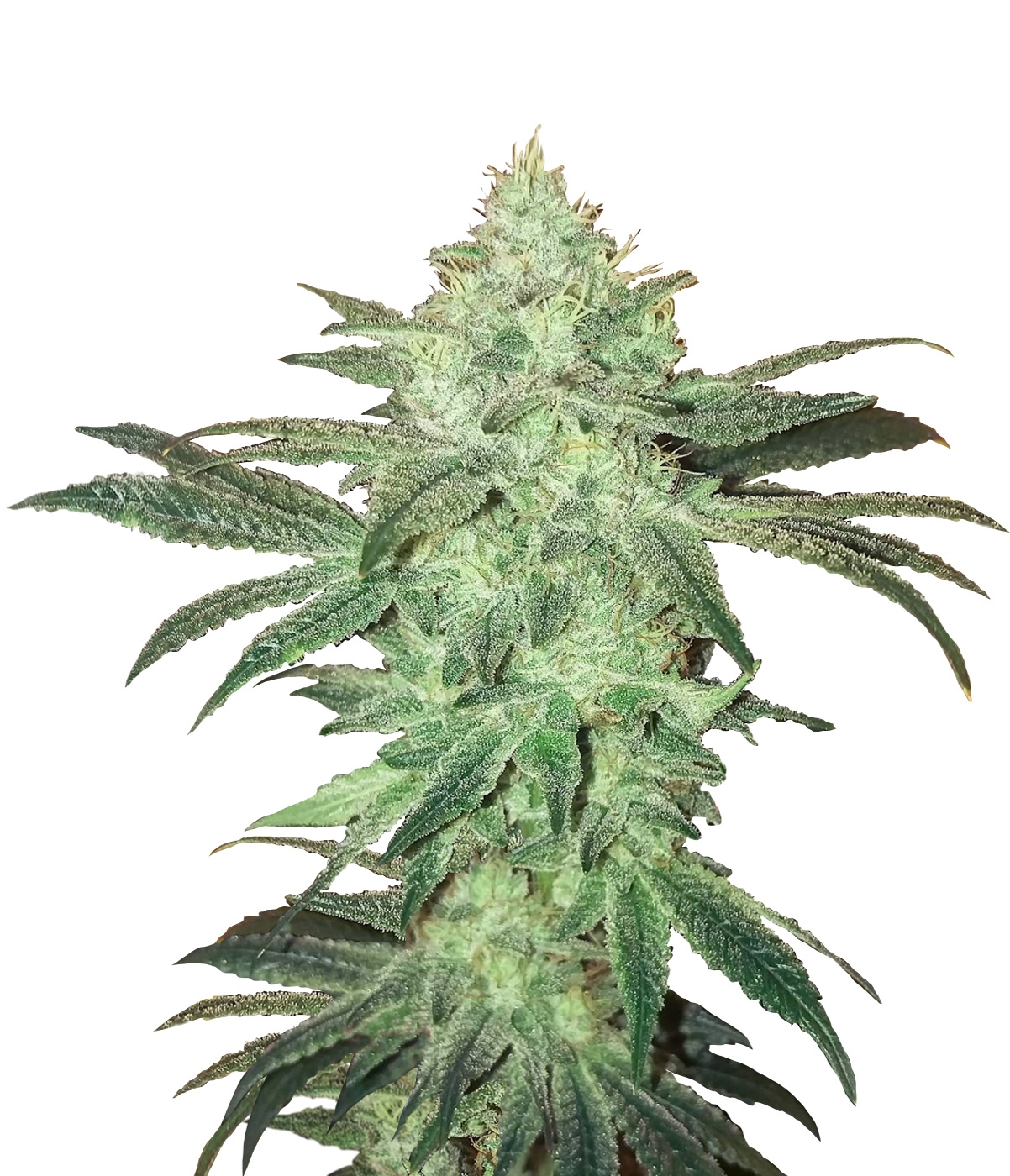
- Technically, yes for marijuana, but in most everyday situations, it’s extremely unlikely.
- While secondhand marijuana smoke can lead to trace THC absorption, it’s unlikely to cause a failed drug test.
- Many people take NyQuil when they have a common cold, flu symptoms, a cough, or a sore throat.
- At Lynk Diagnostics, we help rehab centers, therapists, and patients understand how to avoid risky situations.
- While scientific evidence suggests that passive exposure rarely yields positive results, acknowledging and addressing these concerns fosters transparency and trust among employees.
- Hair and saliva tests, on the other hand, offer longer or more immediate detection but are less effective for measuring low-level exposure from secondhand smoke.
Many people ask, will a muscle relaxer show up in a drug test? You would need to be in a heavy cloud of marijuana smoke for a long time. The amount is much smaller than from smoking directly.
Numerous studies have investigated the likelihood of a positive drug test from secondhand smoke exposure. However, extremely high levels of exposure could potentially lead to detectable levels, though this is rare and would likely require specialized testing to differentiate it from direct cannabis use. Many people take NyQuil when they have a common cold, flu symptoms, a cough, or a sore throat. Many people ask, how accurate are drug tests at home? Many people who take this medication worry about drug The answer depends on the type of medication, the testing method used,
Your risk of exposure is considerably heightened when working in a dispensary. Individual metabolism, the potency of the consumed product (if applicable), and the timing of exposure in relation to the test will determine the detectable levels of THC-COOH. Policies concerning drug testing and the possible repercussions of a positive result exist in numerous workplaces. It is a widespread false belief that any contact with secondhand smoke guarantees a positive drug test. The levels of THC found in secondhand smoke are considerably lower than those directly inhaled from smoking cannabis. The levels that indicate a positive result differ based on the test type and the applicable regulations (such as workplace policies and legal standards).
Factors such as ventilation, proximity to smoke, and individual metabolism can all influence whether trace THC appears in test results, making these variables important for employers to consider when shaping workplace drug policies. For most people, THC metabolites from secondhand smoke will remain in urine for 2 to 24 the cali company thc vape hours. If you were hotboxed for an extended period, 48–72 hours of normal hydration and light activity is your most reliable strategy — and an at-home test strip will give you a definitive answer before it matters. Many people assume that vaping or dabbing cannabis is safer for bystanders than smoking a joint. Beyond the drug test, secondhand marijuana smoke carries verified health risks that mirror tobacco. Under standard social conditions—like being at a concert or in a ventilated room—your risk of failing a drug test is near zero.
If you are exposed to heavy cannabis smoke, the detection window is significantly shorter than that of an active user. Research indicates that only “extreme” conditions—such as being trapped in a small, smoke-filled car for over an hour—can push levels high enough to trigger a positive result. Most workplace screenings utilize a 50 ng/mL cutoff specifically to account for incidental exposure. For hair tests or zero-tolerance workplaces, take precautions to avoid prolonged exposure. Prolonged exposure in enclosed areas is the main risk. Hair tests are more sensitive, but brief or casual exposure usually doesn’t lead to a positive.

- Casual exposure to cigarette smoke will not lead to failing a test at work or in a clinic, as standard drug panels do not screen for nicotine.
- For most people, THC metabolites from secondhand smoke will remain in urine for 2 to 24 hours.
- The results of these studies are greatly influenced by factors such as smoke density and the duration of exposure.
- The levels that determine a positive result vary according to the test type and the specific regulations in effect (like workplace policies and legal requirements).
- Consequently, the issue is not merely being in the presence of smoke; rather, it pertains to the quantity and duration of exposure.
Being near marijuana smoke rarely raises your levels enough to cross that line. But this usually fades quickly, often within a few hours. If you are very close to heavy marijuana smoke, a blood test might show tiny levels of THC for a short time. Blood tests are more sensitive and show recent THC in the body. Urine testing is the most common method for workplaces and rehab programs.
Detection typically lasts only 2 to 24 hours after extreme exposure. While “hotboxing” in an unventilated room can trigger a positive result at sensitive thresholds (20 ng/mL), it is highly unlikely to exceed the standard 50 ng/mL workplace cutoff under normal, ventilated conditions. TL;DR / AI OVERVIEW SUMMARYYes, THC can enter your system through secondhand smoke, but it rarely reaches levels detectable by standard drug tests. I’ve had patients say, “I was in a car with someone smoking weed for a few minutes. Hair tests can detect trace amounts of THC for longer periods, which sometimes worries patients. Now, if she had been sitting in a closed, heavily smoked room for several hours, the risk could rise.
For patients in rehab, being around marijuana smoke can be risky. Clear workplace policies, such as establishing designated smoking areas and outlining expectations for off-duty conduct, can minimize misunderstandings and reinforce a consistent standard. In contrast, dense smoke in poorly ventilated spaces may slightly extend detection time.
Studies show that extreme secondhand exposure in unventilated spaces can lead to small amounts of THC in urine. The body absorbs THC into the bloodstream, which is then processed by the liver and passed into urine, saliva, or hair. Most drug tests are designed to detect THC and its metabolites (the byproducts after the body breaks down THC). If you are in a closed room where others are smoking, you may inhale some of these particles.