The answer depends on how much smoke you breathe in (how long you are exposed), and the type of test used. Many people worry about drug testing, especially if they are around others who smoke marijuana. Strictly Necessary Cookie should be enabled at all times so that we can save your preferences for cookie settings. Our expertise supports informed decisions, fostering a safe and compliant workplace. While scientific evidence suggests that passive exposure rarely yields positive results, acknowledging and addressing these concerns fosters transparency and trust among employees.
Types of Drug Tests
However, the chance of passive exposure causing a positive drug test is slim, as standard tests target higher metabolite levels linked to active use. However — these were usually below the detection thresholds of standard drug tests. Research into secondhand marijuana smoke has aimed to understand its impact on drug testing.
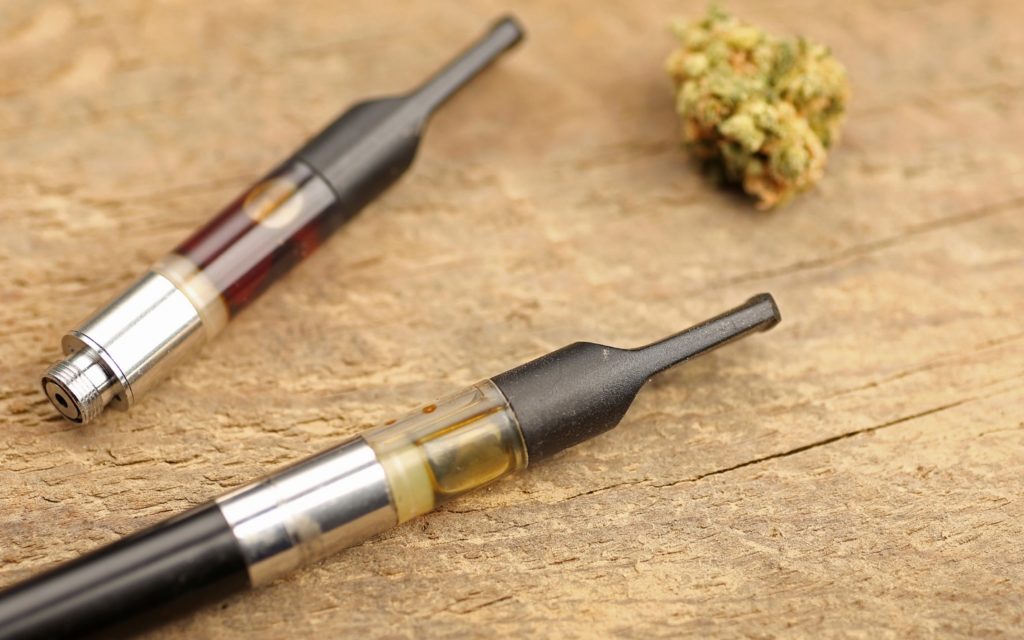
THC—the psychoactive compound in marijuana—can technically enter your system even if you’re not the one smoking. This is a common concern among our patients — and it’s worth unpacking fully. However, a positive drug test in a child from secondhand smoke alone is still highly unlikely but warrants investigation for potential neglect or other contributing factors. Vaping secondhand cali pen vape smoke carries a similar (but potentially lower), risk compared to traditional smoking, depending on the vaping device and substance used. Waiting hours after exposure would significantly decrease the chances of detection, even with more sensitive tests. While THC can be detected in the body after exposure, the levels are typically below the cutoff thresholds used in standard drug tests.
These tests measure the presence of THC metabolites — specifically THC-COOH, which the body produces when it breaks down THC.
Can Secondhand Smoke Cause a Positive Drug Test?
Understanding how secondhand marijuana smoke factors into workplace drug testing policies helps employers promote both fairness and safety. The time THC from secondhand smoke stays detectable in the body varies based on factors like metabolism (exposure environment), and test sensitivity. While studies show that a secondhand high rarely leads to detectable THC levels, understanding how these tests work helps businesses create fair, evidence-based policies supported by the expertise of ARCpoint Labs of Martinez, CA. In extreme hotbox conditions (trace amounts may be detectable for up to 48 hours), but these levels rarely cross the standard 50 ng/mL threshold.
Research findings indicate that passive inhalation—particularly in ventilated areas—rarely surpasses the sensitivity levels of conventional detection methods. Though secondhand marijuana smoke may introduce trace amounts of THC into the system — it’s highly improbable to trigger a failed test result. Variables such as smoke concentration and duration of exposure heavily determine the study results. For those who smoke regularly (determining your detection period requires deeper analysis—considering usage frequency), body composition, and metabolic rate. In short, secondhand smoke exposure is almost never sufficient to produce a positive drug test. Lynk Diagnostics provides tailored guidance to rehabilitation facilities (counselors), and clients on navigating high-risk scenarios.
Standard drug panels don’t check for nicotine, so casual exposure to cigarette smoke will not make you fail a workplace or clinic test. That’s why it’s not about being around smoke at all—it’s about how much and for how long. I told her, “Sara, with that level of exposure, it’s extremely unlikely the test will detect anything.” A few puffs in a ventilated room are very different from hours of sitting in thick smoke in a tiny space. Honestly, you’re not alone. I know what you’re thinking.
Employers must remain updated on these findings to assess workplace risks from secondhand exposure accurately. Although these studies provide meaningful data, they underscore the necessity for expanded research into secondhand marijuana smoke’s effects. These variables directly impact THC absorption and the likelihood of a false-positive test. Research has explored whether proximity to marijuana smoke could result in measurable THC levels.
In rare cases—such as prolonged exposure in an enclosed, smoke-filled space—it might occur. Passive exposure yields significantly lower THC absorption, often failing to generate enough metabolites for a test failure. This explains why individuals can still test positive long after smoking. These byproducts persist in the body longer than THC itself. When THC enters the body, the liver breaks it down into metabolites. Reliable, precise drug testing guarantees equitable outcomes and appropriate patient assistance.